A practical seasonal checklist from Master Builders Construction & Handyman, a local construction and handyman company serving Northern Kentucky homeowners. Use it to protect your home, plan repairs, and prevent small problems from becoming larger ones.
Northern Kentucky’s winter moisture and freeze-thaw cycles can reveal damage that was hidden during the colder months. Start outside, then move indoors.
Exterior and drainage
Clear leaves, grit, and winter debris from gutters and downspouts.
Check that downspouts discharge several feet away from the foundation.
Look for loose siding, damaged trim, lifted flashing, and cracked exterior caulk.
Inspect the foundation and walkways for new cracks, settlement, or standing water.
Check exterior doors and windows for drafts, damaged screens, and failed weatherstripping.
Outdoor living areas
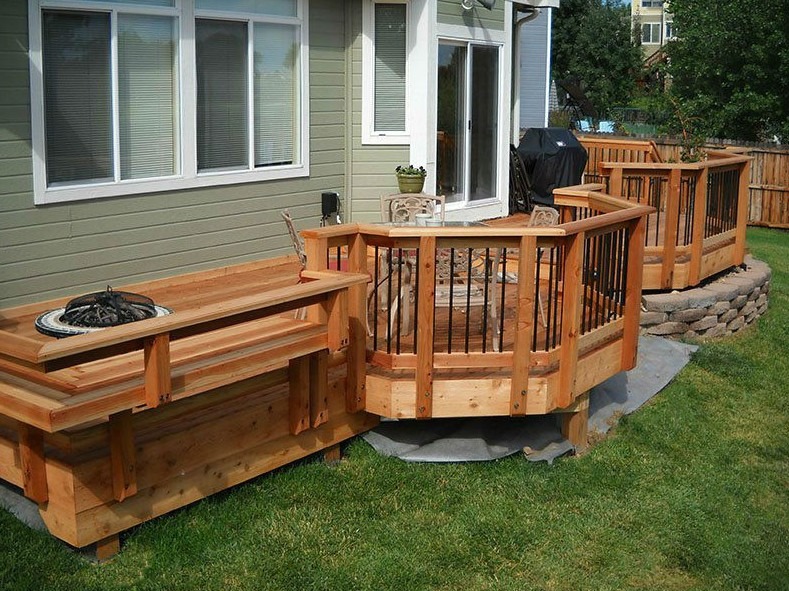
Inspect deck boards, stairs, railings, fasteners, and support posts for rot or movement.
Wash outdoor surfaces carefully and look for areas that need sealing or repair.
Confirm that exterior lights, hose bibs, and gates work safely after winter.
Northern Kentucky’s hot, humid weather puts extra demand on cooling equipment, exterior finishes, decks, and areas exposed to storm water.
Cooling and moisture control
Replace or clean HVAC filters according to the equipment manufacturer’s guidance.
Keep the outdoor condenser clear of weeds, leaves, and stored items.
Check around indoor air handlers and condensate lines for moisture, leaks, or water damage.
Run bathroom exhaust fans during showers and watch for recurring ceiling stains.
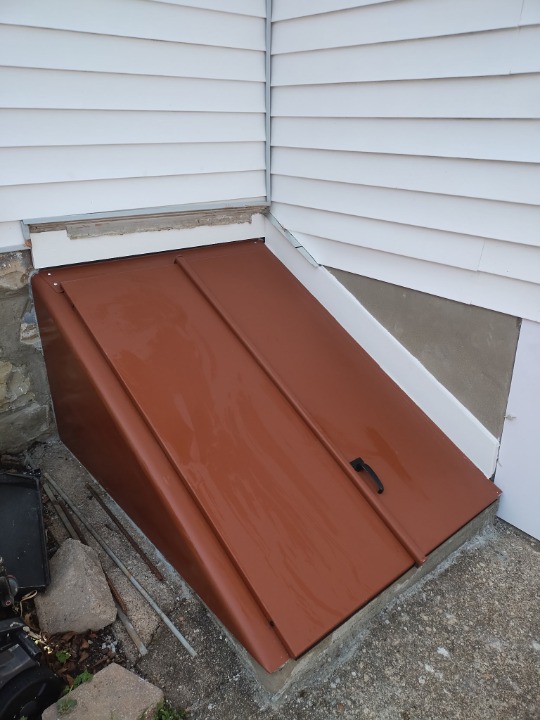
Inspect the basement after heavy storms for damp walls, seepage, or musty odors.
Storm readiness
Trim branches that rub against the roof, siding, or power lines.
Secure loose shutters, screens, railings, and exterior fixtures.
Confirm that gutters and downspouts still move storm water away from the home.
Outdoor surfaces
Look for soft deck boards, loose railings, popped fasteners, and unsafe stairs.
Inspect caulk around windows, doors, vents, and utility penetrations.
Check exterior paint and stain for peeling areas that expose wood to moisture.
Repair trip hazards on porches, steps, patios, and walkways before gatherings.
Inspect all exterior wood work for signs of wood rot or discoloration and damage. These repairs should be made prior to staining or painting.Get an Estimate
Fall deserves extra attention in Northern Kentucky. Heavy leaves can block drainage, and the first freeze can turn small leaks or exposed plumbing into urgent problems.
Roof, gutters, and drainage
Clean gutters before the leaves finish falling and recheck them after major leaf drops.
Flush downspouts and confirm water exits away from the foundation.
Inspect shingles, roof edges, valleys, flashing, vents, and pipe boots from a safe location.
Look in the attic for water marks, damp insulation, mold-like odors, or daylight.
Check basement walls and foundation edges after heavy rain for new dampness or cracks.
Remove leaves from window wells, drains, steps, and low areas where water collects.
Exterior protection
Replace cracked exterior caulk around windows, doors, and utility penetrations.
Repair loose siding, trim, porch boards, steps, and handrails before snow and ice.
Drain and store garden hoses and protect outdoor faucets according to manufacturer guidance.
Heating and winter preparation
Schedule a heating-system check and replace the HVAC filter.
Test smoke and carbon-monoxide alarms near sleeping areas and fuel-burning appliances.
Locate the main water shutoff and label it so every adult in the home can find it.
Insulate exposed pipes in unheated basements, crawl spaces, garages, and exterior walls.
Check weatherstripping and door sweeps to reduce drafts before cold weather arrives.
Inspect fireplaces, chimneys, and vents through a qualified specialist when applicable.
Make sure all areas are sealed tight for the winter to prevent water intrusion. Get an Estimate
Leaf buildup, water intrusion, or exterior damage should be addressed before the first freeze.
Northern Kentucky’s freezing temperatures, snow, ice, and indoor humidity can expose weak points in a home. Focus on safety, heat, and preventing frozen-pipe damage.
Freeze protection
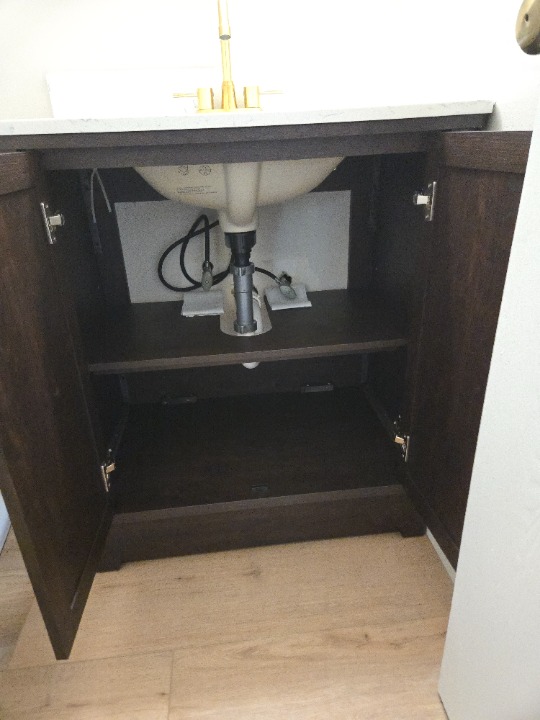
Keep exposed plumbing insulated and open cabinet doors during severe cold when appropriate.
Know where the main shutoff is and watch for frozen or bulging pipes.
Keep garage doors closed when possible and seal drafts around exterior openings.
After a freeze, inspect ceilings, walls, and cabinets for stains or new moisture.
Clear snow away from foundation vents and keep exterior drains from becoming blocked.
Snow and ice safety
Remove heavy snow from accessible steps, walkways, porches, and low-slope areas.
Check railings and stair treads before using icy entrances.
Watch for ice dams, overflowing gutters, and water entering around roof edges.
Interior comfort and safety
Change HVAC filters and keep supply and return vents unobstructed.
Keep combustible materials away from heaters, fireplaces, and portable heating equipment.
Look for condensation on windows, cold corners, and signs of excess indoor humidity.
Test alarms and keep emergency lighting, batteries, and shutoff information accessible.
Make sure all plumbing is in a warm heated place or insulated to protect from a freeze. Turn off exterior spigots before the deep freeze.Get an Estimate
Early Action
Home Problems You Shouldn't Ignore
A small visible symptom can point to a larger maintenance issue. Early inspection may limit the affected area and help you choose the right repair before damage spreads.
Foundation cracks and recurring basement moisture
Clay soil, settling, and freeze-thaw movement common in Northern Kentucky can open cracks or change how water drains around a foundation. A crack that grows, leaks, or appears with sticking doors and uneven floors deserves an inspection. Addressing drainage and minor repairs early can help prevent broader water damage.
Roof leaks, ceiling stains, and damaged flashing
A brown ceiling mark may remain after the original leak dries, but insulation, drywall, and framing can continue to absorb moisture. Heavy snow, wind-driven rain, and ice can make weak roof details worse. Find the source promptly and repair related interior damage.
Gutters that overflow or pull away from the fascia
Overflowing gutters can saturate soil beside the foundation and damage fascia, trim, siding, and landscaping. Loose sections may fail during the next storm. Cleaning, securing, and improving discharge early is usually more manageable than repairing repeated water damage.
Soft, sagging, or unsafe decks and stairs
Rot can develop below paint or stain, especially where horizontal boards hold moisture. Loose rails and deteriorated stair stringers create immediate safety concerns. Have questionable boards, fasteners, and supports evaluated.
Slow leaks under sinks, toilets, and tubs
Small plumbing leaks can swell cabinets, weaken subfloors, and encourage persistent dampness. Water damage around a bathroom may require both plumbing attention and finish repairs.
Outdated or damaged electrical wiring
Knob-and-tube wiring may still be present in some older Northern Kentucky homes. Damaged outlets, warm or discolored switches, flickering lights, or frequently tripped breakers can indicate an electrical problem and should not be ignored. Never open or work on energized wiring yourself. If you notice these warning signs, have the electrical system evaluated by a properly qualified electrician before beginning remodeling, repairs, or cosmetic work.
Not sure whether a crack, leak, or damaged surface is urgent?
Master Builders Construction & Handyman is a local construction and handyman company serving Northern Kentucky homeowners in Alexandria, Cold Spring, Fort Thomas, Florence, Newport, Covington, and nearby communities. We help organize practical repair work before small maintenance concerns become larger projects. From seasonal punch lists and drywall repairs to decks, tile, flooring, basement updates, exterior repairs, and remodeling, we can help identify the work that belongs on your maintenance plan.
Walk through the home each season and complete a more detailed exterior and systems check at least twice a year. Inspect again after severe storms, extended freezes, or heavy snowfall.
When should gutters be cleaned in Northern Kentucky?
Clean them in spring and again in late fall after most leaves have dropped. Homes beneath mature trees may need an additional check after major wind or rain.
What should I check before the first freeze?
Protect exposed pipes, disconnect hoses, confirm the main water shutoff, seal drafts, test alarms, replace the HVAC filter, and inspect gutters and roof drainage.
How can I tell whether a foundation crack is serious?
Track its size and location. Cracks that grow, leak, are wide or uneven, or occur with sticking doors, sloped floors, or bowing walls should be professionally evaluated.
Why does my basement smell musty after rain?
The odor may come from seepage, condensation, damp materials, or poor ventilation. Check gutters and grading, then arrange an inspection if the smell or moisture returns.
How do I know whether my deck needs repair?
Look for soft boards, rot, loose fasteners, wobbly railings, cracked posts, and stairs that move. Do not use an unsafe deck until the structure has been evaluated.
Should I repair a water-stained ceiling or roof first?
Address the source of the water first. Once the leak or moisture source has been corrected and the area is completely dry, any damaged drywall, insulation, paint, or trim can be evaluated and repaired.
What maintenance helps prevent frozen pipes?
Insulate exposed plumbing, seal cold drafts near pipes, keep indoor heat consistent, and know the location of the main shutoff. During extreme cold, monitor vulnerable areas closely.
Can a handyman help with a seasonal maintenance list?
A handyman can often help with accessible repairs, trim, drywall, caulk, doors, decks, fixtures, and other home maintenance tasks. Electrical, gas, structural, and specialized work may require the appropriate licensed specialist.
When should I request a professional estimate?
Request an estimate when a problem is recurring, difficult to reach, growing, affecting safety, or connected to moisture or structural movement. Early information helps you plan the correct repair.